
Can Laser Hair Removal Stop Ingrown Hairs? Evidence-Based Breakdown
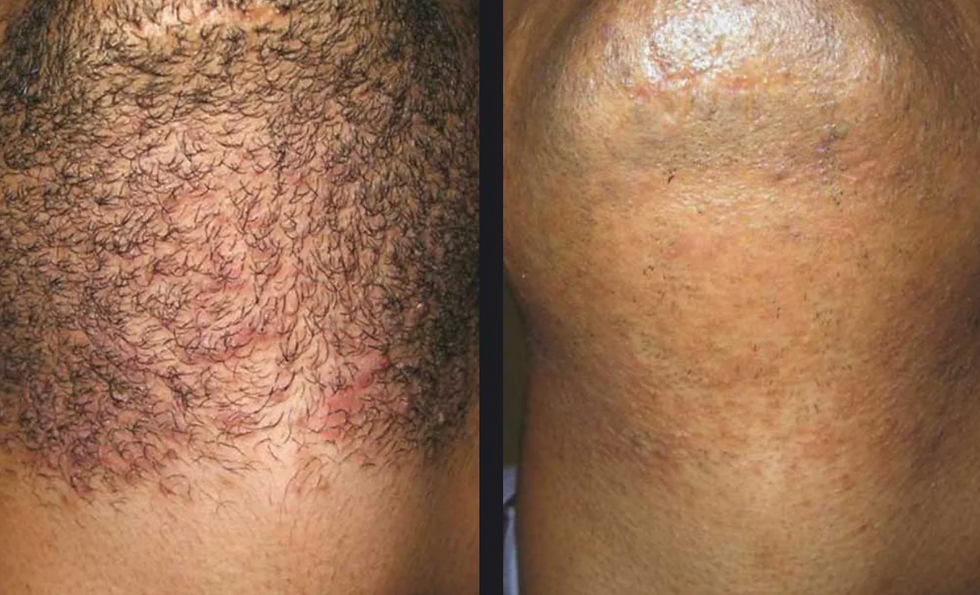
Ingrown hairs are painful, frustrating, and often recurring—especially in areas like the face, bikini line, underarms, and legs. Many people turn to laser hair removal as a long-term solution, but does it really work?
Let’s break down the science and evidence behind whether laser hair removal can stop ingrown hairs.
What Causes Ingrown Hairs?
Ingrown hairs occur when hair grows back into the skin instead of rising above it. This often leads to:
Redness and inflammation
Painful bumps or cysts
Dark spots or scarring (post-inflammatory hyperpigmentation)
They are most common in people with:
Curly or coarse hair
Frequent shaving or waxing
Sensitive or acne-prone skin
How Laser Hair Removal Works (Scientifically)
Laser hair removal uses concentrated light energy to target melanin in the hair follicle. The heat damages the follicle, reducing its ability to produce hair.
Over multiple sessions:
Hair grows back finer and lighter
Growth becomes slower and sparser
Some follicles stop producing hair entirely
This mechanism is key to reducing ingrown hairs.
Does Laser Hair Removal Stop Ingrown Hairs?
Short Answer: Yes—significantly, and often permanently
Here’s Why (Evidence-Based Explanation):
1. Fewer Hairs = Fewer Ingrowns
Ingrown hairs can’t form if hair isn’t growing. Laser hair removal reduces overall hair density, which directly lowers the chances of hairs becoming trapped under the skin.
2. Hair Grows Finer, Not Coarse
Coarse, sharp hair is more likely to curl back into the skin. Laser-treated hair regrows thinner and softer, making it far less likely to become ingrown.
3. No More Cutting or Pulling Hair
Shaving creates blunt tips, and waxing can distort hair follicles—both increase ingrown risk. Laser hair removal avoids these triggers entirely.
4. Reduced Inflammation Over Time
Clinical observations show decreased redness, bumps, and folliculitis after consistent laser sessions, particularly in high-risk areas like the beard line and bikini area.

What Does Clinical Research Say?
Dermatology studies and clinical consensus show that laser hair removal is one of the most effective long-term treatments for chronic ingrown hairs, including conditions like:
Pseudofolliculitis barbae (razor bumps)
Recurrent bikini line ingrowns
Ingrown hairs in people with curly hair textures
Many dermatologists actively recommend laser hair removal for patients with severe or recurring ingrown.
Best Areas for Treating Ingrown Hairs with Laser
Laser hair removal is especially effective for ingrown-prone areas such as:
Face & beard line
Neck
Underarms
Bikini area
Inner thighs
Legs
How Many Sessions Are Needed to See Results?
Most people notice fewer ingrown hairs after 2–3 sessions, with optimal results after:
6–8 sessions
Spaced 4–6 weeks apart
Maintenance sessions may be required depending on hormones and hair type.
Is Laser Hair Removal Safe for Ingrown-Prone Skin?
Yes—when performed by trained professionals using the correct laser for your skin tone. Modern laser technology is designed to treat sensitive skin and reduce irritation.
Temporary side effects may include:
Mild redness
Warmth or sensitivity
These usually resolve within hours.
When Laser Hair Removal May Not Fully Eliminate Ingrowns
While highly effective, laser hair removal may not completely eliminate ingrown hairs if:
Treatments are inconsistent
Hair is very light or lacks pigment
Hormonal conditions cause regrowth
However, even in these cases, severity and frequency are greatly reduced.
Is Laser Hair Removal Worth It for Ingrown Hairs?
Yes—laser hair removal is one of the most effective, evidence-backed solutions for preventing ingrown hairs.By targeting the root cause (hair growth itself), it offers long-term relief where shaving and waxing fail.
If ingrown hairs affect your comfort, confidence, or skin health, laser hair removal is not just cosmetic—it’s corrective.


Comments