
Why Laser Hair Removal Isn’t Working for You (And How to Fix It)
Laser hair removal is widely known for delivering long-term hair reduction—but what if you’ve invested time and money and aren’t seeing results?
You’re not alone. When laser hair removal doesn’t work as expected, it’s usually not because the treatment itself is ineffective—it’s because key factors are being overlooked.
Let’s break down the most common reasons laser hair removal fails and exactly how to fix each one.

1. Your Hair Colour Isn’t Ideal for Laser
Why This Matters
Laser hair removal targets melanin (pigment) in the hair follicle. If your hair is:
Blonde
Red
Grey
White
…the laser may not detect enough pigment to damage the follicle effectively.
How to Fix It
Ask your provider if your hair type is suitable for laser
Consider electrolysis for light or pigment-free hair
Use laser for darker hairs and electrolysis for stubborn light hairs (combo approach)
2. The Wrong Laser Is Being Used for Your Skin Tone
Why This Happens
Not all lasers work the same. Using the wrong technology can lead to:
Weak results
Increased risk of burns or pigmentation
How to Fix It
Lighter skin tones respond well to diode or alexandrite lasers
Darker skin tones require Nd:YAG lasers for safe, effective treatment
Always confirm the clinic uses multiple laser systems, not just one
3. Your Sessions Aren’t Timed Correctly
The Science
Laser hair removal only works during the active growth phase (anagen). If sessions are too close or too far apart, many follicles are missed.
How to Fix It
Face: every 4–6 weeks
Body: every 6–8 weeks
Stick to a consistent schedule—don’t delay sessions unnecessarily
4. You’re Shaving or Waxing Incorrectly
What Goes Wrong
Waxing, plucking, or threading removes the follicle—leaving nothing for the laser to target
Shaving too early or too late can reduce effectiveness
How to Fix It
Only shave between sessions
Shave 24 hours before treatment
Stop waxing or plucking at least 4 weeks prior
5. Hormonal Imbalances Are Causing Regrowth
Common Culprits
PCOS
Thyroid disorders
Pregnancy
Certain medications
Hormonal hair growth can override laser results, especially on the face, neck, and abdomen.
How to Fix It
Expect reduction, not total removal, in hormonal areas
Plan for maintenance sessions
Combine laser with medical or hormonal treatment when advised
6. Settings Are Too Low (Under-Treating the Hair)
Why Clinics Do This
Some providers use low energy settings to:
Avoid discomfort
Reduce liability
Speed up appointments
Low settings = poor results.
How to Fix It
Ask if settings increase gradually as hair thins
Mild discomfort is normal and expected
Choose clinics that prioritise results over speed
7. You Haven’t Completed Enough Sessions
The Reality
Laser hair removal is not a one-time solution. Most people need:
6–8 sessions minimum
Some need 10–12 sessions, especially men or hormonal areas
Stopping early leads to regrowth.
How to Fix It
Commit to the full treatment plan
Track progress over time—not session-by-session
Expect visible reduction after session 3–4, not session 1
8. Sun Exposure Is Interfering With Results
Why Sun Matters
Tanned skin competes with hair pigment, forcing providers to lower laser intensity—reducing effectiveness.
How to Fix It
Avoid sun exposure for 2 weeks before and after treatment
Use SPF 30+ daily on treated areas
Avoid self-tanners during treatment cycles
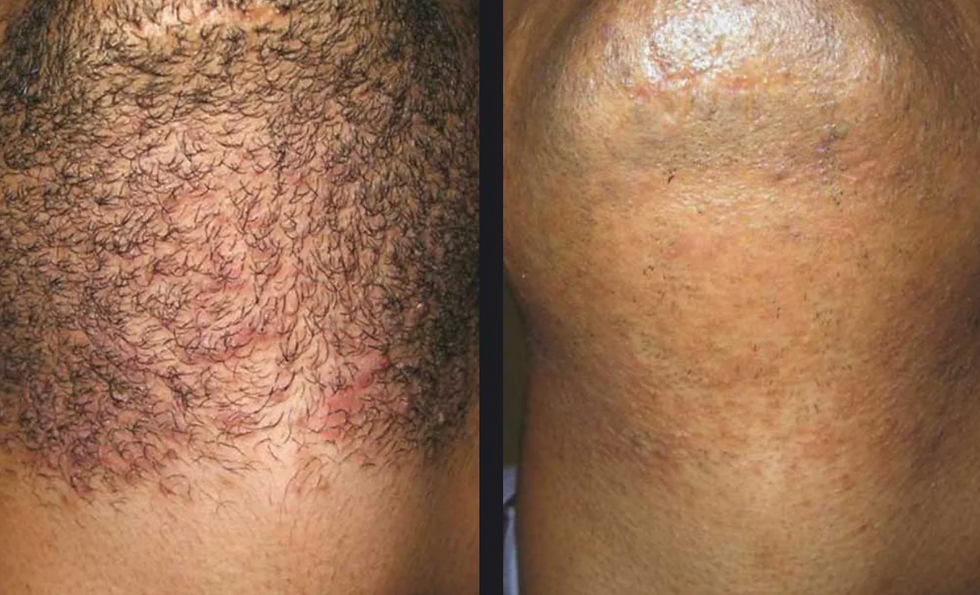
When Laser Hair Removal Is Working—but Slowly
Laser hair removal delivers permanent hair reduction, not guaranteed permanent removal. Success looks like:
Slower regrowth
Thinner, lighter hair
Fewer ingrown hairs
Longer gaps between shaving
If you’re seeing these changes—even gradually—it’s working.
How to Maximize Your Laser Hair Removal Results
✔ Choose an experienced clinic✔ Use the right laser for your skin tone✔ Follow correct session spacing✔ Avoid waxing or plucking✔ Manage expectations (especially hormonal areas)✔ Complete the full treatment course
If laser hair removal isn’t working for you, the solution usually isn’t to quit—it’s to adjust the approach. With the right technology, timing, and expertise, most people can achieve excellent, long-term results.
If you’re unsure why your results are stalled, a professional consultation can identify the issue and put you back on track.


Comments